


Chennai’s residential real estate market is witnessing a significant transformation, particularly in the villa segment. With changing buyer preferences, infrastructure developments, and emerging submarkets, villa ownership presents a distinctive investment opportunity. This analysis examines the economic considerations of villa ownership in Chennai with special focus on the emerging suburb of Mappedu in East Tambaram, offering insights into current trends, investment potential, and future outlook.
Chennai Real Estate Market Dynamics in 2024-2025

The Chennai residential market has demonstrated remarkable resilience in 2024, overcoming early challenges to gain significant momentum as the year progressed. While the market experienced a slower start, September 2024 marked a turning point with increased activity, setting the stage for a strong finish to the year. Developers strategically focused on clearing unsold inventory and aligning with new policies, fostering cautious optimism for sustained market growth.
The city recorded 182 residential projects registered with TNRERA in 2024, representing 19,109 residential units across various submarkets. Steady sales of 9,396 units reflect the market’s adaptability and continued demand for quality living spaces, particularly in areas benefiting from improved infrastructure and connectivity.
Looking ahead, the residential market is expected to build on this momentum, with projected sales growth of 20%-25% in 2025. This optimism stems from ongoing infrastructure development, a stable economic outlook, and rising demand for modern, well-connected housing options.
Villa Market Share and Demand Patterns
Villas and plotted developments now hold approximately 30% of Chennai’s residential segment, indicating significant market presence. The geographic distribution of housing demand in Chennai follows a clear pattern: South Chennai dominates with 60% of demand, West Chennai accounts for 30%, while the Central Business District and North Chennai represent the remaining 10%.
Historically, Chennai has experienced conservative property price appreciation compared to other major Indian cities. Between 2013 and 2020, Chennai recorded just 3% price appreciation, the second lowest among seven major metropolitan areas. Only the National Capital Region had lower appreciation at 2% during this period. This contrasts sharply with cities like Pune (38%), Bengaluru (20%), and Hyderabad (20%).
Mappedu: Chennai’s Emerging Villa Destination
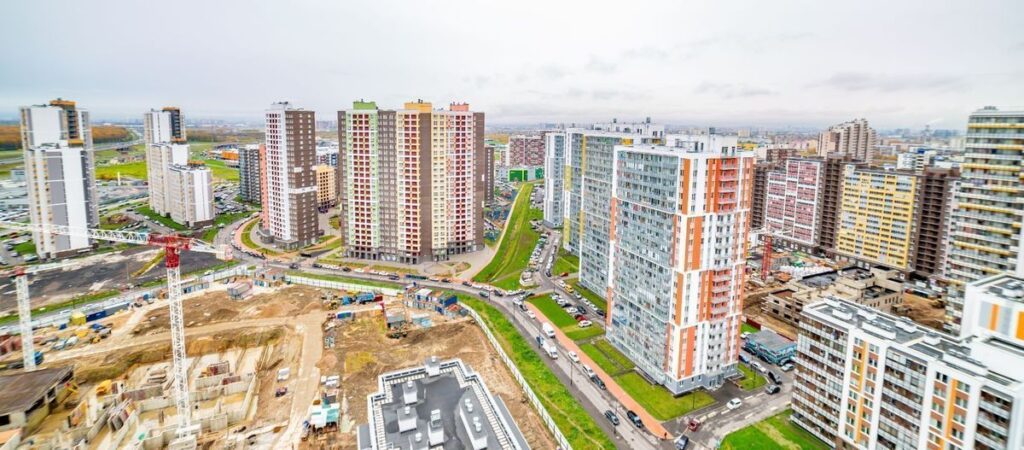
Mappedu in East Tambaram has emerged as a promising residential hub, particularly for villa developments. The area’s appeal stems from its strategic location, connectivity, and relatively affordable land prices compared to more established suburbs. Multiple residential projects, including CMDA-approved gated communities with villas, are actively developing in the area.
The suburb benefits from proximity to educational institutions including Bharath University, Zion International School, and Kendra Vidhyalaya. Transportation connectivity is favorable, with the area situated approximately 5 km from East Tambaram railway station and 6 km from Tambaram railway station.
Infrastructure and Growth Catalysts
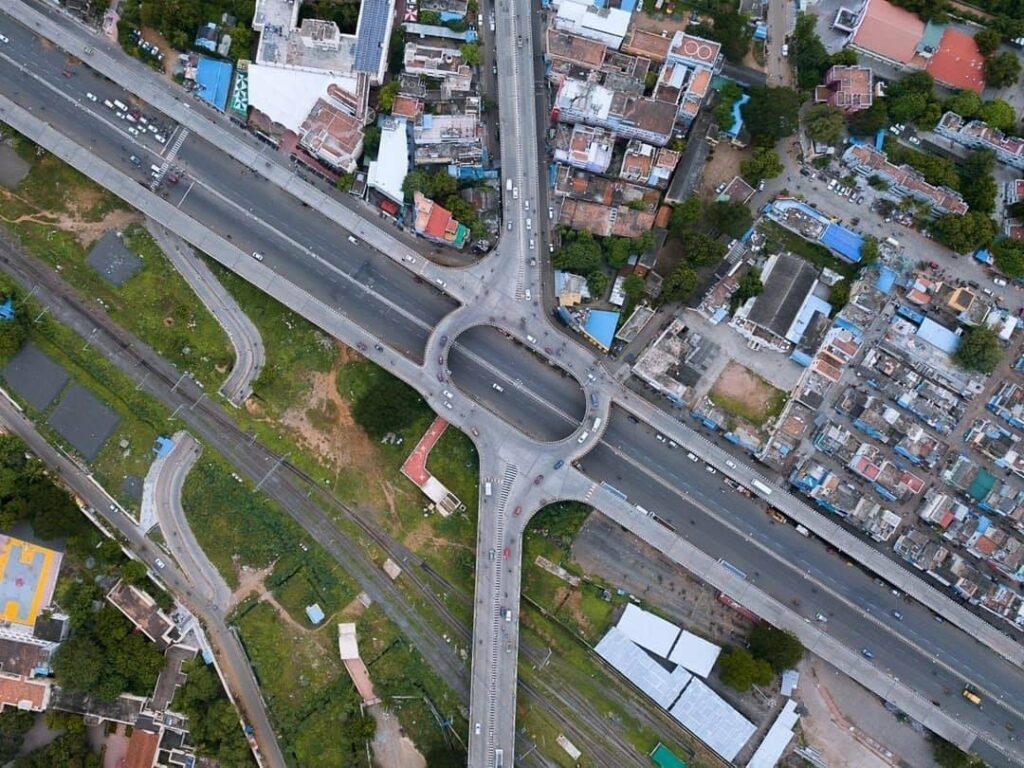
Mappedu’s real estate value proposition is strengthened by its location within the larger East Tambaram area, which continues to benefit from infrastructure improvements and connectivity enhancements. The area represents an opportunity for homebuyers seeking the villa lifestyle without the premium prices of more established neighborhoods.
Investment Analysis: The Financial Case for Villa Ownership
Construction and Land Costs
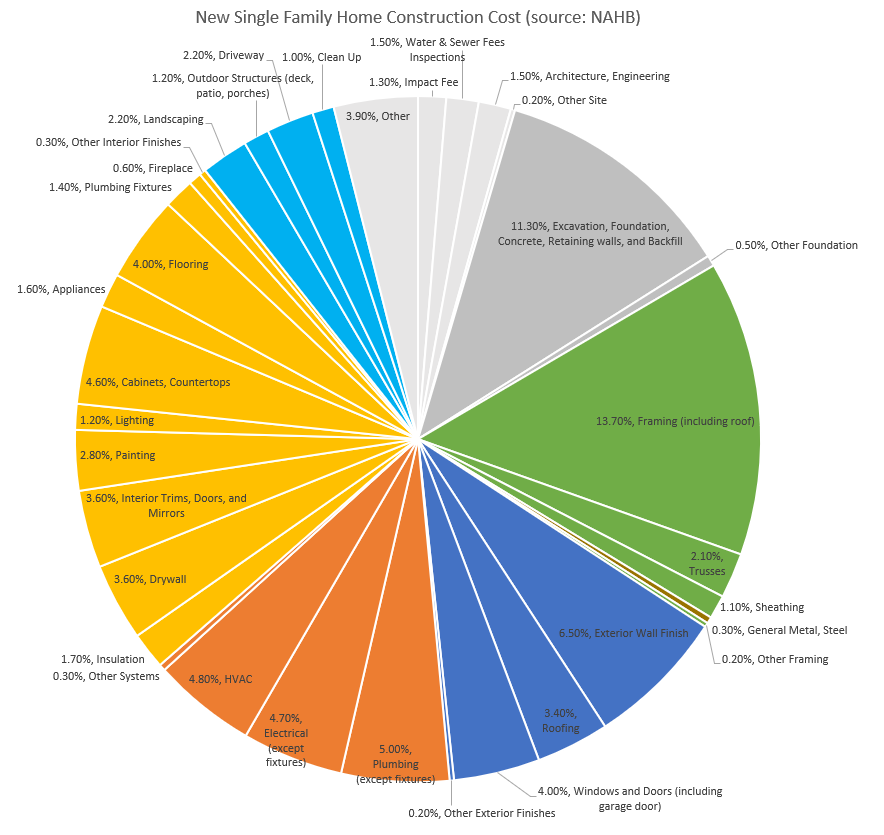
The economics of villa ownership in Chennai involves several cost components, with construction quality significantly influencing the overall investment. Construction costs for villas in Chennai typically range from:
-
Basic construction: Rs. 1,400 to Rs. 2,500 per square foot
-
Mid-range construction: Rs. 2,500 to Rs. 4,000 per square foot
-
Premium construction: Above Rs. 4,000 per square foot
Land costs vary substantially based on location, ranging from Rs. 3,000 to Rs. 15,000 per square foot in different parts of Chennai. Mappedu presents a value proposition with more moderate land prices compared to premium areas like ECR, allowing for more affordable luxury villa development.
Comparative Investment Value
When comparing investment destinations for villas, the Old Mahabalipuram Road (OMR) corridor offers valuable insights that can be applied to Mappedu’s development trajectory. While ECR remains Chennai’s traditional luxury villa location with starting prices around 4 crore, OMR has emerged as an alternative with villa prices starting at 1.5 crore.
Similarly, Mappedu offers the potential for villa ownership at more accessible price points than established luxury enclaves, with 3 BHK villas available in gated communities like Alankar Vridhi Villa. The area represents an opportunity for homebuyers seeking standalone homes with modern amenities at relatively moderate investment levels.
Suburb Comparison: How Mappedu Stacks Up
Chennai’s suburban real estate landscape presents varying investment opportunities, with areas developing at different paces. While established corridors like OMR continue to attract significant demand with popular micro-markets including Navalur, Padur, and Karani, newer areas like Mappedu offer entry points at potentially more favorable valuations.
Growth Patterns and Buyer Demographics
The buyer profile for villa properties in Chennai’s suburbs has distinctive characteristics. In established corridors like OMR, approximately 60% of demand comes from senior IT professionals, while 20% originates from NRIs and HNIs. This demographic pattern illustrates the connection between tech employment and villa demand, a trend likely to influence Mappedu’s development as connectivity and infrastructure improve.
The post-COVID housing market has increasingly favored spacious, standalone homes in less congested settings. Villa developments set in green spaces away from main thoroughfares address this preference, combining aspirational living with practical considerations for work-life balance.
Government Initiatives and Regulatory Environment

Chennai’s real estate market operates within a regulatory framework that impacts development patterns and investment security. CMDA (Chennai Metropolitan Development Authority) and RERA (Real Estate Regulatory Authority) approvals represent significant selling points for residential projects, indicating compliance with planning regulations and consumer protection mechanisms.
Property developers actively highlight these regulatory approvals in their marketing materials, underscoring their importance to buyer confidence. In Mappedu, CMDA-approved projects with features such as gated communities, avenue trees, elevated blacktopped roads, and street lighting represent the evolving standards in suburban development.
The Lifestyle Shift: Why Homebuyers Are Choosing Villas

The movement toward villa living reflects broader shifts in housing preferences and lifestyle priorities. Two distinct types of villa developments are emerging in Chennai’s suburban markets:
-
Row houses based on Undivided Share of Land (UDS)
-
Individual villas offering subdivided plot ownership
These formats address different buyer needs while providing the privacy and space advantages inherent to villa living. The villa lifestyle particularly appeals to professionals seeking work-from-home friendly environments with sufficient space for home offices, gardens, and recreational areas.
Premium Villa Communities: The New Benchmark in Suburban Living
Modern villa projects in Chennai’s suburbs like Mappedu typically incorporate community features that enhance lifestyle quality and property value. Gated developments like Alankar Vridhi Villa in Mappedu offer comprehensive living environments with security, amenities, and community spaces.
These premium villa communities represent a growing segment of Chennai’s suburban real estate market, appealing to buyers seeking standalone homes without sacrificing the conveniences of planned developments. Features such as landscaped common areas, security systems, and community facilities create value propositions beyond the individual home itself.
Future Outlook and Investment Potential
Chennai’s residential market is poised for continued growth, with projections indicating sales increases of 20%-25% in 2025. Villa developments in emerging suburbs like Mappedu are positioned to benefit from this growth trajectory, particularly as infrastructure improvements enhance connectivity and establish these areas as viable alternatives to more established suburbs.
For investors and homebuyers considering villa ownership in Chennai, areas like Mappedu present opportunities to enter the market at more accessible price points while potentially benefiting from future appreciation as these suburbs develop. The combination of lifestyle benefits, relative affordability compared to premium areas, and future development potential creates a compelling case for careful consideration of villa investments in Chennai’s emerging suburban corridors.
Conclusion: The Economic Case for Villa Ownership

Villa ownership in Chennai represents both a lifestyle choice and an investment decision, with economic considerations varying significantly across different submarkets. While established luxury corridors command premium prices, emerging areas like Mappedu offer opportunities to access the villa lifestyle at more moderate investment levels.
As Chennai’s residential market continues its growth trajectory into 2025 and beyond, villa developments in strategically located suburbs stand to benefit from infrastructure improvements, changing buyer preferences, and the ongoing evolution of the city’s expansion patterns. For prospective homebuyers and investors, thorough research into location advantages, developer credentials, and future development plans remains essential to making informed decisions in this dynamic market.